Over-reliance on Technology Amplifies Vulnerabilities
Jahangir Sur
প্রকাশ : ১৫ ঘণ্টা আগে
আপডেট : ১৫ ঘণ্টা আগে
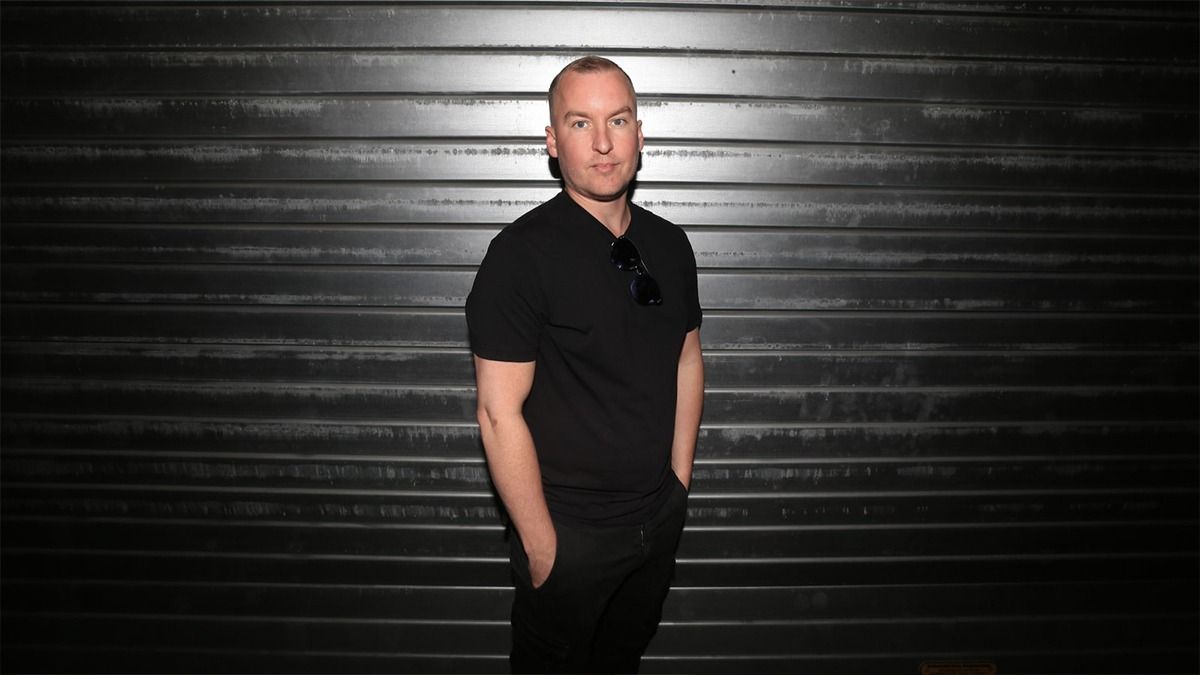
Justin Blackhurst, the Founder and CEO of Digital Next, said to Protidiner Bangladesh, “those who understand technology, control risks, and maintain alternatives during crises will succeed in the coming decade.” Photo: Prolific North
For a few hours, a significant part of the world seemed to have come to a sudden halt. E-mail exchanges were frozen, and major corporate communication channels went dark. Even artificial intelligence (AI) stopped functioning. The unprecedented global outage of various Microsoft services has laid bare a terrifying vulnerability in modern digital infrastructure. Bangladesh was no exception; from corporate offices of multinational companies to independent freelancers—many were left stranded, unable to resume work for hours.
Such a massive disruption at a tech giant like Microsoft is not merely a technical glitch; rather, it has deeply alarmed technology experts worldwide. The pressing question now arises: have we become so overly dependent on technology that the failure of a single service provider can paralyze the entire globe? British tech entrepreneur Justin Blackhurst spoke to Protidiner Bangladesh about this critical issue.
The recent Microsoft outage predominantly affected services under the Microsoft 365 umbrella. This included the popular e-mail platform Outlook, the institutional communication hub Teams, and Microsoft's AI-based assistant Copilot. According to Microsoft’s own data, over 430 million people worldwide use various Microsoft 365 applications. Outage tracking websites like Downdetector revealed that millions of users from 74 countries reported issues.
Microsoft stated that the disruption was not caused by a cyber-attack or hacking incident. Rather, it was triggered by an unexpected surge in pressure on their servers. As some servers abruptly failed, the traffic load on the remaining servers spiked, ultimately bringing the entire system down. The scenario was akin to a four-lane highway suddenly narrowing to two lanes, inevitably causing a massive traffic jam.
Due to this service failure, regular communications within the UK courts were severely disrupted. In Canada, several hospitals faced critical e-mail blackouts. Across the UK, the operations of doctors' chambers, pharmacies, police stations, and schools were extensively hindered. The communication systems of the Australian intelligence agency and the Supreme Court of the Philippines were also interrupted.
The Importance of Alternative Systems: Even amidst such a severe global disruption, some organizations managed to keep their operations running smoothly. Justin Blackhurst, the Founder and Chief Executive Officer (CEO) of Digital Next—a renowned UK-based digital marketing and technology firm established in 2009—is one of them. Protidiner Bangladesh reached out to this tech visionary, who has long been researching SEO, AI search, e-commerce, and logistics technology, to know whether his company was affected by this global outage.
In an online conversation on Friday, Justin Blackhurst said, "At Digital Next, we made the decision years ago to move away from Rackspace and build our core business infrastructure around Google Workspace and Google Cloud. We've recently joined Google's Partner Advantage programme, which is another positive step in that relationship. As a result, our direct exposure to Microsoft's current disruption is limited.”
Threats to User Data Security: When tech giants like Microsoft face the harsh reality of service halts, how does Justin Blackhurst evaluate these threats and risks as a businessman and entrepreneur? In response, he sheds light on a new definition of data security.
"One important distinction is that a service outage doesn't necessarily mean customer data has been compromised," he said. "Microsoft has indicated that there is no evidence of a cyberattack, and that distinction matters. However, data security isn't simply about preventing hackers from accessing information. It's also about ensuring businesses can access their own systems and information when they need them. A business that cannot access its emails, customer records, financial information or operational platforms is vulnerable, regardless of whether a cyberattack has occurred."
Are Humans Losing Control over Themselves: During the outage of Microsoft's Copilot and e-mail services, many employees were seen sitting idle. Many simply could not find any alternative way to work without technology. How is this over-reliance on technology causing people to lose control over their own behavior, decisions, and future?
Answering this question, Blackhurst told this correspondent, "This is arguably the bigger question. Technology should empower people, improve decision-making and create opportunities. It shouldn't remove our ability to think independently or operate without it. We're now entering an era where artificial intelligence will increasingly influence commercial decisions, communication, employment and everyday behaviour. I'm hugely optimistic about AI, and we're investing heavily in its development and adoption across our businesses. However, I believe there's a significant difference between using technology to make better decisions and allowing technology to make every decision for us."
The Roadmap for the Future: Blind reliance on a single service-providing entity can be suicidal for any country or organization. So, what should our preparation be for the future? Justin Blackhurst, CEO of Digital Next, brilliantly outlined his assessment of the overall perspective.
In his written response, he stated, "The biggest technological risk facing businesses isn't necessarily a cyberattack. It's becoming so dependent on technology that a single failure can bring an entire organisation to a standstill. The companies that succeed over the next decade won't necessarily be those adopting the most technology. They'll be those that understand it, control their risks and retain the ability to operate when things go wrong. Ultimately, technology should serve humanity, not the other way around."
This Microsoft outage serves as a stark wake-up call for us all. Technology must be embraced, but not blindly. Having alternative systems or contingency plans in place to tackle any disruption remains the fundamental condition for survival.