সাক্ষাৎকারে ক্যালিওপি মিগিরু
নারী সহিংসতা রোধে চাই রাষ্ট্র, প্রযুক্তি ও সমাজের সম্মিলিত উদ্যোগ
জাহাঙ্গীর সুর
প্রকাশ : ১৮ মে ২০২৬ ১২:৪৬ পিএম
আপডেট : ১৮ মে ২০২৬ ১৯:০৩ পিএম
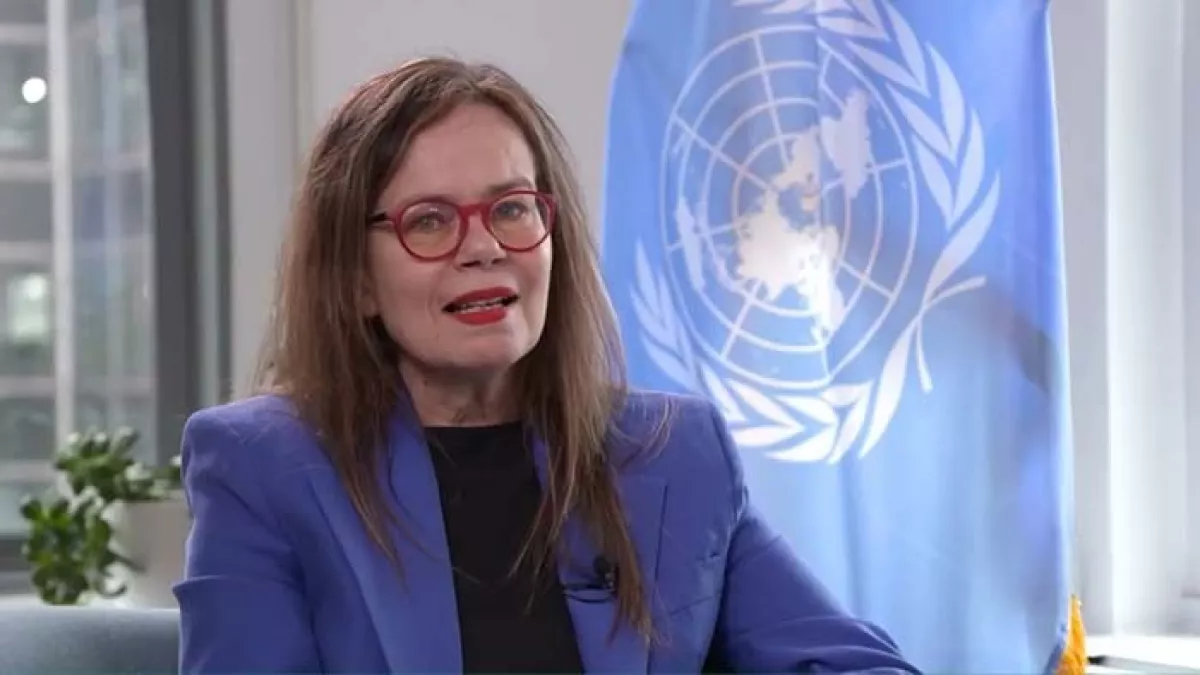
জাতিসংঘের নারী নির্যাতন প্রতিরোধ কর্মসূচির প্রধান ক্যালিওপি মিগিরু। ছবি: ইউএন ইনসাইডার
অনলাইন কিংবা অফলাইনে, নারীর প্রতি সহিংসতা বন্ধ করতে বিচ্ছিন্ন কোনো উদ্যোগ যথেষ্ট নয়। এর জন্য প্রয়োজন রাষ্ট্র, প্রযুক্তি কোম্পানি, গণমাধ্যম ও সুশীল সমাজের সম্মিলিত দৃষ্টিভঙ্গি। ডিজিটাল পরিসরে নারীর নিরাপত্তা নিশ্চিত করতে ও কার্যকর প্রতিরোধ কৌশল গড়ে তুলতে করণীয় নিয়ে বিস্তারিত কথা বলেছেন জাতিসংঘের নারী নির্যাতন প্রতিরোধ কর্মসূচির প্রধান ক্যালিওপি মিগিরু। ইমেইলে তার সাক্ষাৎকার নিয়েছেন প্রতিদিনের বাংলাদেশের কপি এডিটর জাহাঙ্গীর সুর।
প্রতিদিনের বাংলাদেশ: অনলাইনে নারীর কণ্ঠরোধ করার বিষয়টি কোনো আকস্মিক ঘটনা নয়, বরং একটি ‘সুসংগঠিত ও পদ্ধতিগত চর্চা।’ এই কথার সঙ্গে দ্বিমতের সুযোগ নেই। নারীবিদ্বেষী চক্রগুলো কীভাবে এই ধরনের আক্রমণ সংঘটিত করে? পাশাপাশি সামাজিক মাধ্যমের অ্যালগরিদম অপরাধীদের জন্য সহিংসতাকে কীভাবে ‘নির্বিঘ্ন ও লাভজনক’ করে তুলছে?
ক্যালিওপি মিগিরু: অনলাইনে নারীর ওপর আক্রমণ দৈবক্রমে ঘটে না। [আক্রমণকারীরা] সুযোগ বুঝে এমনটা করে তা-ও নয়। বরং এই সব সহিংসতা ইচ্ছাকৃত ও সুসংগঠিত। নারীর কণ্ঠরোধ করা এবং জনপরিসরে তাদের অংশগ্রহণকে বাধাগ্রস্ত করা, পাশাপাশি তাদের পেশাগত বিশ্বাসযোগ্যতা ও ব্যক্তিগত সম্মান ক্ষুণ্ন করার লক্ষ্যেই এসব করা হয়। নারী ও কন্যাশিশুর প্রতি সহিংসতা বিষয়ে জাতিসংঘ মহাসচিবের সাম্প্রতিক প্রতিবেদনে যেমনটি তুলে ধরা হয়েছে, অধিকারবিরোধী গোষ্ঠীগুলো ক্রমবর্ধমানভাবে অনলাইন প্লাটফর্ম ব্যবহার করেÑ এমন সব আখ্যান প্রচার করছে, যা জেন্ডার সমতা ও নারী অধিকারকে চ্যালেঞ্জ করে। তাদের অন্যতম কৌশল হলো সাইবার বুলিং, হয়রানি ও সহিংসতার হুমকির মাধ্যমে নারী-কন্যাশিশুদের জন্য চরম বৈরী ডিজিটাল পরিবেশ তৈরি করা। এই অপকৌশলের সঙ্গে নারীর প্রতি সহিংসতা বিস্তারের সম্পর্ক গভীরভাবে প্রোথিত। বিশেষত নারী মানবাধিকারকর্মী, নারী অধিকারকর্মী ও জনপরিসরে সক্রিয় নারীদের লক্ষ্য করে লিঙ্গভিত্তিক আক্রমণগুলো এর বড় প্রমাণ।
এই আক্রমণগুলোর জন্য আদর্শিক কাঠামো ও সাংগঠনিক ভিত্তিÑ উভয়ের জন্য দায়ী ‘ম্যানোস্ফিয়ার’। এটি হলো বিভিন্ন ফোরাম, সমাজ-প্রভাবক ও অনলাইন সম্প্রদায়ের বিকেন্দ্রীকৃত একটি আন্ত-প্লাটফর্ম ব্যবস্থা, যেখানে এরা নারীবাদ-বিরোধিতার সূত্রে ঐক্যবদ্ধ। তাদের কৌশলগুলোর মধ্যে রয়েছে সমন্বিতভাবে দল বেঁধে আক্রমণ (ডগপাইলিং), ব্যক্তিগত তথ্য ফাঁস করা (ডক্সিং) ও লিঙ্গভিত্তিক কুতথ্য ছড়ানো। প্লাটফর্মগুলোর যে নিজস্ব নির্মাণশৈলী, সেটিই অপরাধীদের এই কাজকে ‘নির্বিঘ্ন ও লাভজনক’ করে তোলে। যেমন কৃত্রিম বুদ্ধিমত্তা-চালিত রিকমেন্ডেশন অ্যালগরিদমগুলো সক্রিয়ভাবে এসব আক্রমণের সঙ্গে ব্যবহারকারীদের সম্পৃক্ততা বহুগুণ বাড়িয়ে দেয়। অন্যদিকে প্লাটফর্মগুলোর আয়ের মডেল ক্ষোভ ও বিতর্ককে পুরস্কৃত করে, যা নারীবিদ্বেষকে তথাকথিত ‘ম্যানফ্লুয়েন্সার’দের জন্য লাভজনক হাতিয়ারে পরিণত করে।
প্রতিদিনের বাংলাদেশ: জাতিসংঘের সাম্প্রতিক প্রতিবেদনে এই আক্রমণগুলোকে লিঙ্গসমতার বিরুদ্ধে বিশ্বব্যাপী বৃহত্তর এক পশ্চাৎমুখী ধাক্কা হিসেবে আখ্যায়িত করা হয়েছে। নারীবিদ্বেষের এই নির্দিষ্ট পুনরুত্থানের পেছনে অন্তর্নিহিত সামাজিক, রাজনৈতিক বা অর্থনৈতিক চালিকাশক্তিগুলো কী কী? এবং কেন সাংবাদিকতা ও রাজনীতির মতো দৃশ্যমান বা জনসমক্ষে থাকা পেশার নারীরাই এর প্রধান লক্ষ্যবস্তু?
ক্যালিওপি মিগিরু: অনলাইন সহিংসতা ও নারীবিদ্বেষের শেকড় মূলত সেই একই কাঠামোগত লৈঙ্গিক অসমতা ও ক্ষতিকর সামাজিক রীতিনীতির গভীরে প্রোথিত, যা নারীর ওপর সব ধরনের সহিংসতাকে উস্কে দেয়। ইকুইমুন্ডো সেন্টার ফর ম্যাসকুলিনিটিজ অ্যান্ড সোশ্যাল জাস্টিসের যৌথভাবে তৈরি করা আমাদের আসন্ন প্রতিবেদন, ‘এনগেজিং মেন, এন্ডিং ভায়োলেন্স’-এ তিনটি পরস্পর-সংযুক্ত চালিকাশক্তি চিহ্নিত করা হয়েছে। প্রথমত, কঠোর লৈঙ্গিক রীতিনীতি; যা পুরুষতান্ত্রিক আধিপত্য, যৌন অধিকারবোধের অহমিকা ও আবেগের অবদমনকে জোরদার করে। দ্বিতীয়ত, অর্থনৈতিক নিরাপত্তাহীনতা, শিক্ষার মানের অবনতি ও সামাজিক বঞ্চনা; যা তরুণদের এমন সব চরমপন্থী অনলাইন সম্প্রদায়ের প্রতি দুর্বল করে তোলে, যেখানে তারা নারীর প্রতি বিদ্বেষ ছড়ানোর বিনিময়ে এক ধরনের অন্তর্ভুক্তি ও স্বীকৃতির প্রলোভন পায়। তৃতীয়ত, বর্তমান ডিজিটাল বাস্তুতন্ত্র, যা ‘ম্যানফ্লুয়েন্সার’দের অনলাইনে নামপরিচয় গোপন রাখার সুবিধার পাশাপাশি জবাবদিহিহীনতার ফায়দা লুটে পুরুষের উদ্বেগকে কাজে লাগিয়ে অর্থ উপার্জন করার সুযোগ করে দেয়।
আমরা প্রথমবারের মতো একটি অত্যন্ত উদ্বেগজনক প্রবণতা লক্ষ করছি, বয়স্কদের তুলনায় অল্পবয়সী পুরুষরা লিঙ্গসমতার ক্ষেত্রে অনেক বেশি রক্ষণশীল। তারা ক্রমবর্ধমানভাবে গতানুগতিক লৈঙ্গিক ভূমিকাকে সমর্থন করছে এবং নারীবাদের প্রতি প্রকাশ্য বৈরিতা দেখাচ্ছে। উদাহরণস্বরূপ যুক্তরাজ্যের এক গবেষণায় দেখা গেছে, ১৬ থেকে ২৯ বছর বয়সী তরুণ ও পুরুষের ৫২ শতাংশ মনে করে, নারীবাদ ‘মাত্রা ছাড়িয়ে গেছে’, যেখানে ৬০ বছরের বেশি বয়সী পুরুষের মধ্যে এই হার মাত্র ৩৫ শতাংশ।
জনপরিসরে সক্রিয় নারীরাই প্রধান লক্ষ্যবস্তু হন, কারণ তাদের দৃশ্যমানতা ও প্রভাব অনেক বেশি, তাদের অংশগ্রহণ পুরুষতান্ত্রিক ক্ষমতার আধিপত্যের জন্য হুমকিস্বরূপ। সাংবাদিক, রাজনীতিবিদ ও অধিকারকর্মীদের ওপর আক্রমণগুলো এমনভাবে নকশা করা; যাতে তাদের অংশগ্রহণ বাধাগ্রস্ত হয়, সমালোচনার কণ্ঠগুলো স্তব্ধ হয়ে যায় এবং জনপরিসরে পুরুষতান্ত্রিক আধিপত্য পুনরায় প্রতিষ্ঠিত হয়। জাতিসংঘ মহাসচিবের প্রতিবেদনে যেমনটি উল্লেখ করা হয়েছে, এই কৌশলগুলো লিঙ্গসমতার বিরুদ্ধে এক ধরনের চরম প্রতিক্রিয়া, যা অনলাইন ও অফলাইনÑ উভয় ক্ষেত্রেই পুরুষতান্ত্রিক ক্ষমতাকে সুসংহত করে।
প্রতিদিনের বাংলাদেশ: নারীদের স্ব-আরোপিত সেন্সরশিপ ও মানসিক স্বাস্থ্যের ওপর আঘাতের (পিটিএসডি, উদ্বেগ ও বিষণ্নতা) পরিসংখ্যান রীতিমতো আতঙ্কজনক। ধ্বংসাত্মক ব্যক্তিগত ক্ষতির বাইরে, নারীর কণ্ঠরোধ করার এই ‘দুষ্টচক্র’ কীভাবে বৃহত্তর গণতান্ত্রিক পরিসর, সংবাদ মাধ্যমের স্বাধীনতা ও প্রাতিষ্ঠানিক অখণ্ডতার জন্য হুমকি হয়ে দাঁড়াচ্ছে?
ক্যালিওপি মিগিরু: ‘টিপিং পয়েন্ট’ সিরিজের পরিসংখ্যানগুলো সত্যিই রূঢ়। জরিপে অংশগ্রহণকারী নারী মানবাধিকারকর্মী, অ্যাক্টিভিস্ট ও সাংবাদিকদের ৪১ শতাংশ জানিয়েছেন, অনলাইন সহিংসতা এড়াতে তারা সামাজিক মাধ্যমে স্ব-আরোপিত সেন্সরশিপ বা আত্ম-নিয়ন্ত্রণের পথ বেছে নেন; ১৯ শতাংশ জানিয়েছেন কর্মক্ষেত্রেও তারা একই কাজ করেন। নারী সাংবাদিক ও সংবাদকর্মীদের ক্ষেত্রে আত্মনিয়ন্ত্রণের প্রবণতা আরও ভয়াবহ আকার ধারণের প্রমাণ রয়েছে। অনলাইন আক্রমণের মুখে নারী সাংবাদিক ও সংবাদকর্মীদের আত্ম-নিয়ন্ত্রণের হার ২০২০ সালের (৩০%) তুলনায় ২০২৫ সালে (৪৫%) এসে ৫০ শতাংশ বৃদ্ধি পেয়েছে।
মানসিক স্বাস্থ্যের ওপর এর প্রভাব গুরুতর। জরিপে অংশ নেওয়া প্রায় প্রতি চারজনের একজন অনলাইন সহিংসতার কারণে উদ্বেগ অথবা বিষণ্নতার চিকিৎসা নিয়েছেন; ১৩ শতাংশ জানিয়েছে, তারা পোস্ট-ট্রমাটিক স্ট্রেস ডিসঅর্ডারে আক্রান্ত হিসেবে শনাক্ত হয়েছে। তবে এই হুমকি শুধু ব্যক্তিগত ভোগান্তির মাঝেই সীমাবদ্ধ নেই। যখন নারী সাংবাদিক প্রতিবেদন প্রকাশ করা থেকে বিরত থাকেন, যখন নারী রাজনীতিক নিজেদের অবস্থান নরম করেন বা যখন মানবাধিকারকর্মীরা ডিজিটাল প্লাটফর্ম থেকে নিজেদের গুটিয়ে নেন, তখন জনসাধারণ গুরুত্বপূর্ণ তথ্য থেকে বঞ্চিত হয়। এই ঘটনা যখন ব্যাপক পরিসরে ঘটে, তখন তা কেবল নারী অধিকারের ইস্যু থাকে না, এটি গণতান্ত্রিক সংকটে পরিণত হয়। জনপরিসরের বিতর্ক বা আলোচনা থেকে যদি নারীর কণ্ঠস্বর মুছে ফেলা হয়, তবে সমাজ হয়ে উঠবে স্বল্প-জ্ঞাত, কম প্রতিনিধিত্বশীল ও অনেক কম স্বাধীন।
প্রতিদিনের বাংলাদেশ: আমরা জেনারেটিভ এআইয়ের অস্ত্রীকরণের ভয়ংকর উত্থান দেখতে পাচ্ছি, যেমন সম্মতিবিহীন, এআই-নির্মিত আপত্তিকর ছবি তৈরির ব্যাপক প্রবণতা। সহজে ব্যবহারযোগ্য এআই টুলগুলোর প্রসার কীভাবে অনলাইন সহিংসতার দৃশ্যপট বদলে দিচ্ছে এবং দ্রুত বিকশিত হওয়া একটি প্রযুক্তির সাথে নিয়ন্ত্রকেরা কীভাবে তাল মিলিয়ে চলবেন?
ক্যালিওপি মিগিরু: কৃত্রিম বুদ্ধিমত্তা বা এআই নির্যাতনের ধরনকে একই সাথে আরও বেশি অত্যাধুনিক, বিস্তৃত ও ব্যক্তিগতভাবে ধ্বংসাত্মক করে তোলার মাধ্যমে হুমকির পরিবেশকে আমূল বদলে দিয়েছে। এআই-নির্ভর সহিংসতা; যার মধ্যে রয়েছে ডিপফেক, বিকৃত যৌনতাপূর্ণ ভিডিও, ছবি ও ছবি-ভিত্তিক অপব্যবহারের অন্যান্য রূপÑ হয়রানির বিদ্যমান ধরনগুলোকে আরও তীব্র করে তুলছে এবং জনপরিসরে নারীর অংশগ্রহণকে সংকুচিত করছে। জরিপে অংশ নেওয়া নারীর প্রায় চারজনের একজন এআই-সহায়তায় সৃষ্ট অনলাইন সহিংসতার শিকার হয়েছেন এবং ৬ শতাংশ নারী ডিপফেক ছবি ও বিকৃত ছবি বা ভিডিওর লক্ষ্যবস্তু হয়েছেন।
নারী ও কন্যাশিশুদের ওপর সহিংসতা বিষয়ে জাতিসংঘ মহাসচিবের সাম্প্রতিক প্রতিবেদনে উল্লেখ করা হয়েছে, অনলাইনে থাকা সব ডিপফেকের ৯০ থেকে ৯৫ শতাংশই হলো সম্মতিবিহীন পর্নোগ্রাফিক ছবি, যার প্রায় ৯০ শতাংশই নারীর।
বর্তমানে নিয়ন্ত্রক বা আইনপ্রণেতারা যে সমস্যার সম্মুখীন হচ্ছেন, তা হলো আইনের চেয়ে প্রযুক্তি দ্রুতগতিতে এগিয়ে চলেছে। আইন ও নীতিমালাগুলো প্রযুক্তিগত উন্নয়নের সাথে পাল্লা দিতে ব্যর্থ হচ্ছে। অত্যন্ত জরুরি কথা হলো, আইনগুলো হতে হবে ‘প্রযুক্তিনিরপেক্ষ’, যেন দ্রুত পরিবর্তনশীল প্রযুক্তি সত্ত্বেও আইনগুলো সময়োত্তীর্ণ ও প্রয়োগযোগ্য থাকে। আইনকে সুনির্দিষ্ট কোনো টুলের সাথে বেঁধে না রেখে, পরিবর্তনশীল ও নীতিভিত্তিক হতে হবে।
প্রতিদিনের বাংলাদেশ: মাত্র ৪০ শতাংশেরও কম দেশের সাইবার হয়রানি ও সাইবার স্টকিংয়ের বিরুদ্ধে পর্যাপ্ত আইন রয়েছে, যা একটি বিশাল আইনি শূন্যতার ইঙ্গিত দেয়। ডিজিটাল অপব্যবহারকে বিশ্বব্যাপী অপরাধ হিসেবে গণ্য করতে এবং অপরাধীদের সীমানা পেরিয়েও জবাবদিহিতার আওতায় আনতে জাতিসংঘ কোনো সুনির্দিষ্ট আন্তর্জাতিক আইনি কাঠামো বা চুক্তির পক্ষে সমর্থন জানাচ্ছে কি?
ক্যালিওপি মিগিরু: আন্তর্জাতিক মানবাধিকার চুক্তিগুলোতে নারী ও কন্যাশিশুর ওপর সহিংসতা মোকাবিলায় রাষ্ট্রগুলোর আইন প্রণয়নের বাধ্যবাধকতা রয়েছে। সাম্প্রতিক সময়ে এও স্পষ্ট করা হয়েছে যে, অফলাইনে মানুষের যে অধিকার রয়েছে, অনলাইনেও ঠিক সেই একই অধিকার সুরক্ষিত হতে হবে। ডিজিটাল সহিংসতা বিষয়ক জাতীয় আইনগুলোকে অবশ্যই আন্তর্জাতিক মানবাধিকার আইনসহ আন্তর্জাতিক আইনের ওপর ভিত্তি করে তৈরি করতে হবে। সাম্প্রতিক বছরগুলোতে বৈশ্বিক ও আঞ্চলিক কাঠামোগুলো প্রযুক্তি-সহায়তাপুষ্ট নারী সহিংসতাকে পরোক্ষ স্বীকৃতির পর্যায় থেকে সুস্পষ্টভাবে সংজ্ঞায়িত করার দিকে এগিয়েছে।
২০২৪ সালের ‘জাতিসংঘ সাইবার ক্রাইম চুক্তি’ একটি তাৎপর্যপূর্ণ পদক্ষেপ, যা সম্মতিবিহীন অন্তরঙ্গ ছবি ও অনলাইনে শিশুদের যৌন নির্যাতন বা শোষণকে আন্তর্জাতিকভাবে স্বীকৃত সাইবার অপরাধ হিসেবে প্রতিষ্ঠিত করেছে। গ্লোবাল ডিজিটাল কমপ্যাক্ট, সিএসডব্লিউর ৬৭তম অধিবেশনের সম্মত সিদ্ধান্তসমূহ; যার বিষয়বস্তু ছিল উদ্ভাবন, প্রযুক্তিগত পরিবর্তন, লিঙ্গসমতা ও সব নারী-কন্যাশিশুর ক্ষমতায়নের জন্য ডিজিটাল যুগে শিক্ষা। পাশাপাশি নারী ও কন্যাশিশুর ওপর ডিজিটাল মাধ্যমে সব ধরনের সহিংসতা দূর করার প্রচেষ্টা জোরদারে জাতিসংঘের সাধারণ পরিষদের প্রস্তাব ৭৯/১৫২ (২০২৪)Ñ এই সবকিছুই এমন একটি বৈশ্বিক আদর্শিক কাঠামো প্রতিষ্ঠা করে, যা সদস্য রাষ্ট্রগুলোকে অনলাইন ও ডিজিটাল প্রযুক্তির মাধ্যমে হওয়া সহিংসতা থেকে নারীকে প্রতিরোধ ও সুরক্ষা দিতে প্রয়োজনীয় পদক্ষেপ নিতে বাধ্য করে।
নারী ও কন্যাশিশুর ওপর প্রযুক্তি-সহায়তাপুষ্ট সহিংসতা মোকাবিলার জন্য প্রণীত ইউএন উইমেনের আদর্শ আইনি কাঠামো একটি মানবাধিকারভিত্তিক ও সমন্বিত পদ্ধতির আহ্বান জানায়। এটি ডিজিটাল সহিংসতাকে জেন্ডারভিত্তিক বৈষম্য ও নারীর মানবাধিকার লঙ্ঘনের রূপ হিসেবে স্পষ্টভাবে স্বীকৃতি দেয়। আইনের উচিত অনলাইন সহিংসতার সব ধরনকে আওতাভুক্ত করা। পাশাপাশি আইনশৃঙ্খলা রক্ষাকারী বাহিনীর সক্ষমতা বৃদ্ধি এবং বিচার, আইনি সহায়তা ও বিশেষায়িত সেবাসহ প্রতিকার পাওয়ার সুযোগ নিশ্চিত করার জন্য সুনির্দিষ্ট সুরক্ষা ব্যবস্থা প্রতিষ্ঠার বিধান থাকা প্রয়োজন। ক্ষতিকর কনটেন্ট দ্রুত অপসারণের বিধান, ভুক্তভোগীদের নিরাপত্তা ও সহায়তা প্রদানে ‘ডিজিটাল সুরক্ষা আদেশ’-এর পাশাপাশি অপরাধীদের জবাবদিহি করার ব্যবস্থা আইনেই অন্তর্ভুক্ত থাকতে হবে। একই সাথে আমরা এমন আইনের আহ্বান জানাই, যা কেবল অনলাইন আক্রমণের প্রতিকারেই সীমাবদ্ধ থাকবে না, বরং প্রতিরোধকেও অগ্রাধিকার দেবে। প্রতিরোধমূলক ব্যবস্থার মধ্যে শিক্ষা, ডিজিটাল সাক্ষরতা এবং সমাজভিত্তিক রীতিনীতির পরিবর্তনের পাশাপাশি ডিজিটাল প্রযুক্তির বিকাশ ও ব্যবহারের ক্ষেত্রে নকশাগতভাবেই নিরাপত্তা বা কাঠামোগত নিরাপত্তার বাধ্যবাধকতা অন্তর্ভুক্ত থাকতে হবে।
প্রতিদিনের বাংলাদেশ: প্রযুক্তি কোম্পানিগুলোর প্রতি সুরক্ষা ব্যবস্থা গড়ে তোলা এবং আরও উন্নত রিপোর্টিং টুল তৈরির আহ্বান ক্রমশ বাড়ছে। কেবল প্রতিক্রিয়াশীল ব্যবস্থার বাইরে গিয়ে, নিজেদের প্লাটফর্মগুলো যাতে নিপীড়নের হাতিয়ার হিসেবে ব্যবহার না হয়, তা সক্রিয়ভাবে প্রতিরোধ করার জন্য টেক জায়ান্টদের প্লাটফর্ম পরিচালনা, অ্যালগরিদম ডিজাইন বা প্রাতিষ্ঠানিক জবাবদিহির ক্ষেত্রে কী ধরনের মৌলিক পরিবর্তন আনা উচিত?
ক্যালিওপি মিগিরু: ইউএন উইমেন এমন পদক্ষেপের আহ্বান জানাচ্ছে, যা অনলাইনে নিরাপদ থাকার দায়ভার ব্যক্তির কাঁধ থেকে সরিয়ে প্লাটফর্মের মালিকদের ওপর বর্তায়। কেননা প্লাটফর্মগুলোতেই মূলত এই অপব্যবহার ঘটে। নীতিমালার মূল মনোযোগ হতে হবে কাঠামোগত নিরাপত্তায়। ক্ষতি হয়ে যাওয়ার পর ভুক্তভোগীর রিপোর্টিংয়ের ওপর নির্ভর না করে, এআই টুলগুলো যেন বাজারে ছাড়ার আগে কোনো ধরনের পক্ষপাত বা বৈষম্য সৃষ্টি না করে, তা নিশ্চিতের জন্য এগুলোকে যথাযথ যাচাই-বাছাইয়ের মধ্য দিয়ে যাওয়ার বাধ্যবাধকতা থাকতে হবে। এআই নিয়ন্ত্রণের কথা ভাবার সময় জননিরাপত্তার জন্য ঝুঁকি তৈরি করেÑ এমন যেকোনো খাতের মতোই এটিকে বিবেচনা করা অপরিহার্য। ঠিক যেভাবে ভোক্তাদের নিরাপত্তা নিশ্চিতে খাদ্য, গাড়ি বা খেলনার মতো শিল্পগুলোকে নিয়ন্ত্রণ করা হয়, এআই সিস্টেম ও টুলগুলোকেও জনগণের ব্যবহারের জন্য উন্মুক্ত করার আগে অনুরূপ মানদণ্ড ও নজরদারিতে আনতে হবে।
আমরা অ্যালগরিদমগুলোর নৈতিক ও স্বচ্ছ ব্যবহারেরও আহ্বান জানাই, যাতে এগুলো ক্ষতিকর বা সহিংস বিষয়বস্তুকে ছড়িয়ে না দেয় এবং লিঙ্গগত পক্ষপাত বা প্রচলিত ভ্রান্ত ধারণা টিকিয়ে না রাখে। আর এ সবকিছু নিশ্চিত করতে, বিদ্বেষপূর্ণ অ্যাকাউন্টগুলোর গতিবিধি শনাক্ত ও অপরাধকারীদের চিহ্নিত করতে প্লাটফর্মগুলোর মধ্যে বৃহত্তর সহযোগিতা প্রয়োজন।
সর্বোপরি অনলাইন নারীবিদ্বেষ ও ডিজিটাল সহিংসতা যে চরমপন্থা ও উগ্রবাদের দিকে ঠেলে দেওয়ার একটি প্রধান নিয়ামক ও প্রবেশদ্বার, তার ক্রমবর্ধমান প্রমাণ রয়েছে। বেশ কয়েকটি দেশের সরকার এরই মধ্যে অনলাইন নারীবিদ্বেষকে চরমপন্থায় রূপ নেওয়ার একটি মাধ্যম ও নিরাপত্তা হুমকি হিসেবে চিহ্নিত করতে শুরু করেছে। চরমপন্থী গোষ্ঠীগুলোর কার্যক্রম শনাক্ত করার জন্য যে ঝুঁকি-মূল্যায়ন কাঠামো রয়েছে, সেখানে নারীবিদ্বেষী নেটওয়ার্কগুলো শনাক্ত করার সূচক অন্তর্ভুক্ত করা এখন অত্যন্ত জরুরি।
প্রতিদিনের বাংলাদেশ: ভবিষ্যতের দিকে তাকালে এই সংকট প্রশমিত করতে একটি বহুপাক্ষিক উদ্যোগের প্রয়োজন হবে। এই প্রবণতা উল্টে দিতে এবং নারীদের জন্য সত্যিকারের নিরাপদ ও সমতাপূর্ণ ডিজিটাল জনপরিসর গড়ে তুলতে সরকার, প্রযুক্তি কোম্পানি, সংবাদ মাধ্যম ও সুশীল সমাজকে এই মুহূর্তে সম্মিলিতভাবে সবচেয়ে জরুরি ও সুনির্দিষ্ট কোন পদক্ষেপগুলো নিতে হবে?
ক্যালিওপি মিগিরু: স্ব-নিয়ন্ত্রণ কাজ করছে না। তাই বর্তমানে যে নেতিবাচক প্রবণতাগুলো দেখছি, তা যদি উল্টে দিতে চাই, তবে আমাদের আরও শক্তিশালী আইনি কাঠামো, আরও কঠোর নিয়ন্ত্রণ ও জবাবদিহিতার প্রয়োজন। আমরা চাই, সরকারগুলো আইনি শূন্যতাগুলো পূরণ করুক। কারণ বর্তমানে প্রায় ১৮০ বিলিয়ন নারী অনলাইন অপব্যবহারের বিরুদ্ধে আইনি সুরক্ষাহীন অবস্থায় আছেন। দ্বিতীয়ত, প্রযুক্তি-সহায়তাপুষ্ট নারী ও শিশু নির্যাতনের মামলাগুলোতে যথাযথ পদক্ষেপ নেওয়া এবং প্রতিষ্ঠানগুলোর অভ্যন্তরে সাংস্কৃতিক পরিবর্তনের লক্ষ্যে আইন প্রয়োগকারী ও বিচার বিভাগীয় সংশ্লিষ্টদের জন্য আরও কার্যকর শিক্ষা-প্রশিক্ষণ প্রয়োজন। ভুক্তভোগীকে দোষারোপ করা বন্ধ করতে হবে। আইনশৃঙ্খলা বাহিনীর পেশাদারদের এই ধরনের সহিংসতা অত্যন্ত গুরুত্বের সাথে দেখতে হবে। ইউএন উইমেন বিশ্বব্যাপী আইনশৃঙ্খলা রক্ষাকারী বাহিনীর সক্ষমতা বৃদ্ধিতে নেতৃত্ব দিচ্ছে, যাতে তারা দ্রুত অগ্রসরমান প্রযুক্তির সাথে খাপ খাইয়ে নিতে পারে। এর মধ্যে রয়েছে প্রযুক্তি-সহায়তাপুষ্ট নারী ও কন্যাশিশুর ওপর সহিংসতা মোকাবিলায় পুলিশের জন্য নির্দেশিকা ও ‘হাই লেভেল নেটওয়ার্ক ফর জেন্ডার রেসপন্সিভ পুলিশিং’। সাইবার জগতের সীমানাহীন প্রকৃতির কারণে বৈশ্বিক সহযোগিতা জোরদার করাও অত্যন্ত গুরুত্বপূর্ণ। কারণ অনলাইন অপরাধগুলো প্রায়ই আইন প্রয়োগকারী সংস্থাগুলোর আওতা বা এখতিয়ারের বাইরে ঘটে। এই ধরনের চ্যালেঞ্জ একটি দায়মুক্তির সংস্কৃতি তৈরি করেÑ এমনকি যেখানে আইন বিদ্যমান, সেখানেও।
অনলাইন বা অফলাইনÑ যেখানেই ঘটুক না কেন, নারী ও কন্যাশিশুর ওপর সব ধরনের সহিংসতা দূর করার জন্য একটি সমন্বিত ও সর্বজনীন দৃষ্টিভঙ্গি প্রয়োজন। এর অর্থ হলো, সরকারগুলোকে সুশীল সমাজ ও নারী অধিকার সংস্থাগুলোর সাথে অংশীদারত্বের ভিত্তিতে কাজ করতে হবে। পাশাপাশি প্রযুক্তি ও সংবাদ মাধ্যমের মতো খাতগুলোর মধ্যে আন্তঃক্ষেত্রীয় সহযোগিতা গড়ে তুলতে হবে। উদ্দেশ্য হবে কার্যকর প্রতিরোধ কৌশল প্রণয়ন করা; যার মধ্যে থাকবে অনলাইন সহিংসতাসহ নারীদের ওপর সব ধরনের সহিংসতা প্রতিরোধ ও প্রতিকারের জন্য উপযুক্ত নীতিমালা ও প্রোটোকল তৈরি করা। সেই সাথে সমাজের গভীরে প্রোথিত ক্ষতিকর রীতিনীতি এবং বিষাক্ত পুরুষতান্ত্রিক ধ্যান-ধারণাগুলো; যা নারীদের প্রতি সহিংসতার মূল ইন্ধন জোগায়, তা পরিবর্তনের জন্য রূপান্তরমূলক কাজ করতে হবে।
প্রতিদিনের বাংলাদেশ: ইউএন উইমেনে আপনার গুরুত্বপূর্ণ ভূমিকা নিবিড়ভাবে অনুসরণ করেছি। নারীবিদ্বেষী চক্রগুলো কীভাবে ডিজিটাল পরিসরকে নারীদের বিরুদ্ধে সুসংগঠিত হাতিয়ার হিসেবে ব্যবহার করছে, তা উন্মোচনে আপনার নিরলস সোচ্চার ভূমিকা অত্যন্ত সাহসী ও ভীষণ দরকারি।
ক্যালিওপি মিগিরু: চমৎকার সব প্রশ্ন এবং আমাদের কাজের প্রতি আপনার আগ্রহের জন্য আপনাকে অসংখ্য ধন্যবাদ।
প্রতিদিনের বাংলাদেশের পাঠকদের জন্য ইংরেজিতে নেওয়া মূল সাক্ষাৎকারটিও দেওয়া হলো
Interview: Kalliopi Migeirou
Chief of the Ending Violence Against Women and Girls, UN Women
State, Tech, and Society Must Unite to End Violence Against Women
Isolated initiatives are no longer enough to stop violence against women, whether online or offline. What is urgently needed is a unified vision bridging the state, technology companies, the media, and civil society. Kalliopi Migeirou, Chief of the Ending Violence Against Women and Girls Section at the UN Women, elaborated on the actionable steps required to guarantee women’s safety in the digital public sphere and to build highly effective prevention strategies. The interview was conducted via email by Jahangir Sur, the Copy Editor at Protidiner Bangladesh.
Kalliopi Migeirou: Online attacks on women are not random or opportunistic — they are
deliberate and coordinated, designed to silence women’s voices and undermine their
participation in public discourse while undermining their professional credibility and personal
reputations. As the UN Secretary General’s latest report on VAWGAs the UN Secretary General’s
latest report on VAWG highlighted, anti-rights actors are increasingly utilizing online platforms
to propagate narratives that challenge gender equality and women's rights, with tactics that
include creating a hostile digital environment for women and girls marked by cyberbullying,
harassment and threats of violence, and that this phenomenon is deeply intertwined with the
escalation of violence against women, particularly through gendered attacks targeting women
human rights defenders, women's rights activists and women engaged in public life.
The "manosphere" — a decentralized cross-platform ecosystem of forums, influencers, and online communities united by opposition to feminism — provides both the ideological framework and the organizational infrastructure for these attacks.
Tactics include coordinated dogpiling, doxxing, and gendered disinformation campaigns. What makes platforms "frictionless and rewarding" for perpetrators is their architecture: AI-driven recommendation algorithms actively amplify engagement. Monetization models reward outrage and controversy, turning misogyny into a profitable strategy for” manfluencers”.
Protidiner Bangladesh: The recent report positions these attacks as part of a broader, global pushback against gender equality. What are the underlying social, political, or economic drivers fueling this specific resurgence of misogyny, and why are women in highly visible professions— such as journalism and politics—the primary targets?
Kalliopi Migeirou: Online violence and misogyny are rooted in the same structural gender inequality and harmful social norms that drives all forms of violence against women. Our forthcoming report developed with Equimundo Center for Masculinities and Social Justice, Engaging Men, Ending Violence identifies three intersecting drivers: rigid gender norms emphasizing male dominance, sexual entitlement and emotional suppression; economic precarity, declining educational outcomes and social exclusion that leave young men vulnerable to extremist online communities offering belonging and validation while promoting hostility toward women; and the digital ecosystem that allows online “manfluencers” to deliberately monetize male anxiety with online spaces offering anonymity coupled with little to no accountability.
We are seeing for the first time a very alarming trend which is that younger men are more conservative on gender equality than older generations, they are increasingly endorsing stereotypical gender roles and expressing hostility toward feminism. For instance, research in the United Kingdom found that 52 per cent of boys and men aged 16 to 29 agreed that feminism has “gone too far,” compared to 35 per cent of men over age 60. Women in public life are primary targets precisely because of their visibility and influence and because their participation threatens the dominance of male power structures. Attacks on journalists, politicians, and activists are designed to deter their participation, silence critical voices, and reassert male dominance in public spaces. As the Secretary-General's report notes, these tactics constitute a form of backlash against gender equality, reinforcing patriarchal power both online and offline.
Protidiner Bangladesh: The statistics on self-censorship and mental health trauma (including PTSD, anxiety, and depression) are alarming. Beyond the devastating personal toll, how does this "vicious circle" of silencing female voices threaten broader democratic discourse, press freedom, and institutional integrity?
Kalliopi Migeirou: The figures from the Tipping Point series are indeed stark. 41% of women human rights defenders, activists and journalists surveyed said they self-censor on social media to avoid online violence and 19% said they self-censored at work. Among women journalists and media workers, there is evidence that self-censorship has in fact worsened with a 50% increase in women journalists and media workers reporting self-censorship in response to online attacks from 2020 (30%) to 2025 (45%).
The mental health toll is severe: nearly one in four respondents have been treated for anxiety and/or depression linked to online violence, and 13 per cent reported being diagnosed with PTSD. But the threat extends well beyond individual suffering. When women journalists do not publish stories, when women politicians moderate their positions, when human rights defenders withdraw from digital platforms, the public loses access to critical information. When that happens at scale, this is not just a women’s rights issue. It becomes a democratic crisis. If women’s voices are pushed out of our public debates, our societies are less informed, less representative and less free.
Protidiner Bangladesh: We are seeing a terrifying rise in the weaponization of generative AI, such as the mass requests for non-consensual, AI-generated explicit imagery. How does the proliferation of these easily accessible AI tools change the landscape of online violence, and how can regulators keep pace with technology that evolves this quickly?
Kalliopi Migeirou: AI has fundamentally shifted the threat environment by enabling abuse that is simultaneously more sophisticated, more scalable, and more personally devastating. AI enabled violence — including deepfakes, manipulated sexual imagery and videos and other forms of image-based abuse — is intensifying existing patterns of harassment and constraining women's participation in public life. Close to one in four surveyed women have experienced AI assisted online violence, and 6% have been targeted through deepfake imagery and manipulated images/videos. The UN Secretary General’s latest report on VAWG notes that between 90 and 95 per cent of all online deepfakes are non-consensual pornographic images, with around 90 per cent depicting women.
The problem that regulators are facing today is that technology is moving faster than legislation. Laws and policies are failing to keep pace with technological developments. It Is critical that legislation is tech-neutral to ensure it remains time resistant and applicable despite fast evolving technologies. Laws must be adaptive and principle-based rather than tied to specific tools.
Protidiner Bangladesh: With less than 40% of countries having adequate laws against cyber harassment and cyberstalking, there is a massive legal void. What specific international legal frameworks or treaties is the UN advocating for to ensure that digital abuse is criminalized universally and that perpetrators can be held accountable across borders?
Kalliopi Migeirou: The obligation of States to enact legislation to address VAWG has been established in international human rights treaties, with recent clarifications that the same rights that people have offline must also be protected online. National legislation on digital violence must be anchored in international law, including international human rights law. Over recent years, global and regional frameworks have moved from implicit recognition of TF VAWG to more direct articulation.
The 2024 UN Cybercrime Treaty establishing non-consensual intimate images and online child sexual abuse or exploitation as internationally recognized cybercrimes is a meaningful step. The Global Digital Compact, the Agreed Conclusions of the sixty-seventh session of CSW on innovation and technological change, and education in the digital age for achieving gender equality and the empowerment of all women and girls and the UN General Assembly Resolution 79/152 on the intensification of efforts to eliminate all forms of violence against women and girls: the digital environment (2024) all establish a global normative framework that requires Member States to take measures to prevent and protect women from violence online and through digital technologies.
UN Women’s model framework for legislation on technology facilitated violence against women and girls calls for a human rights-based and comprehensive approach that explicitly recognizes digital violence as a form of gender-based discrimination and violation of women’s human rights. Legislation should address the full spectrum of online violence and should include provisions for capacity strengthening of law enforcement personnel as well as establishing specific protections mechanisms, assistance and support to enable access to justice, legal aid and remedies including specialized support services. Laws should include provisions for the prompt removal of harmful content, provide digital protection orders to provide safety and support to victim-survivors while holding perpetrators accountable and at the same time we call for legislation that can go much further than responding to online attacks by prioritizing prevention. Prevention measures need to encompass education, digital literacy and community-based social norm change as well as safety by design requirements in the development and deployment of digital technologies.
Protidiner Bangladesh: Call for technology companies to build in safeguards and better reporting tools is increasing. Beyond reactive measures, what fundamental changes in platform governance, algorithm design, or corporate accountability must tech giants adopt to proactively prevent their platforms from being used as apparatuses for suppression?
Kalliopi Migeirou: UN Women is calling for measures that shift the onus for staying safe online from the individual to the owners off platforms where the abuse takes place. Frameworks should focus on safety by design and include requirements for AI tools to undergo checks to ensure they do not reproduce bias before release, rather than focusing on reporting by victims after damage has already been done. When considering regulation for AI, it is crucial to treat it like any other sector that poses risks to public safety. Just as industries such as food, cars, toys amongst others are regulated to ensure safety for consumers, AI systems and tools should also be subject to similar standards and oversight before they are made publicly accessible. We also call for the ethical and transparent use of algorithms to ensure that they do not amplify harmful or violent content or perpetuate gender bias and stereotypes, and all of this requires greater cooperation between platforms to trace malicious accounts and identify repeat offenders. Finally, there is growing evidence of how online misogyny and digital violence are key drivers of and often a gateway to radicalization and violent extremism. Some governments have already started to recognize online misogyny as a pathway into violent extremism and a security threat. It is critical that risk-assessment frameworks for detecting the activity of extremist groups incorporate indicators to enable the identification of misogynistic networks.
Protidiner Bangladesh: Looking toward the future, mitigating this crisis will require a multi stakeholder approach. What are the most urgent, concrete steps that governments, tech companies, media organizations, and civil society must take collaboratively right now to reverse this trend and build a genuinely safe, equitable digital public square for women?
Kalliopi Migeirou: Self-regulation is not working so we need stronger legal frameworks, more robust regulation and accountability if we want to reverse the trends we are currently seeing. We need governments to close legal gaps — nearly 1.8 billion women currently lack legal protection against online abuse. Second, we need more effective education and training of law enforcement and judicial actors to support action in cases of technology-facilitated violence against women and girls and cultural change within institutions. Victim-blaming has to stop – we need law enforcement professionals to take these forms of violence very seriously. UN Women is also leading efforts globally to strengthen the capacities of law enforcement to adapt to rapid technological advancement including through guidance for police on addressing technology facilitated violence against women and girls and the High Level Network for Gender Responsive Policing. Strengthening global cooperation is critical given the borderless nature of cyberspace, as online crimes often occur outside the jurisdiction of law enforcement agencies. Such challenges contribute to a climate of impunity even where legislation does exist. Eliminating all forms of violence against women and girls whether it occurs online or offline requires a comprehensive and all of society approach. This means governments working in partnership with civil society and women’s rights organizations and cross-sectoral collaboration from sectors such as media and the technology sector to put in place effective prevention strategies including policies and protocols to prevent and respond to all forms of violence against women and girls including online violence as well as transformative work that seeks to shift societal norms and harmful masculinities that underpin violence against women and girls.
Protidiner Bangladesh: We have closely followed your vital work with UN Women, and your relentless advocacy in exposing how misogynistic networks systematically weaponize digital spaces against women is both courageous and profoundly necessary.
Kalliopi Migeirou: Thank you very much for your great questions and your interest into our work.